Good lighting can make a huge difference in how your home looks and feels. A room that seems dark or outdated can feel brighter, bigger, and more welcoming with the right lights.
That’s one reason pot lights have become so popular with homeowners. They’re tucked into the ceiling, so you get plenty of light without bulky fixtures hanging down.
But there’s a little more to pot light installation than cutting a few holes in the ceiling and connecting some wires.
Before you get started, there are a few things worth thinking about. Where should the lights go? How many do you need? Will your existing wiring work? And what happens if there’s insulation or ductwork above your ceiling?
Let’s walk through what you should know before adding pot lights to your home.
What Are Pot Lights, Anyway?
Pot lights, also called recessed lighting, are light fixtures installed directly into your ceiling. Instead of hanging down, they sit flush or nearly flush with the surface.
They’re a great option for kitchens, living rooms, hallways, basements, and even bathrooms.
One of the biggest benefits is how clean and simple they look. You get the light you need without having a bunch of fixtures taking up space.
Modern LED pot lights also come in different sizes, brightness levels, and colour temperatures. That means you can choose lighting that fits the room and how you use it.
Where Should Your Pot Lights Go?
One of the first things to consider when planning pot light installation is placement.
You might think the easiest approach is to space the lights evenly across the ceiling. Sometimes that works, but it’s not always the best option.
Think about what you actually do in each room.
In the kitchen, you want enough light over your counters so you can see what you’re doing. If the lights are behind you, your body might cast shadows across your work area.
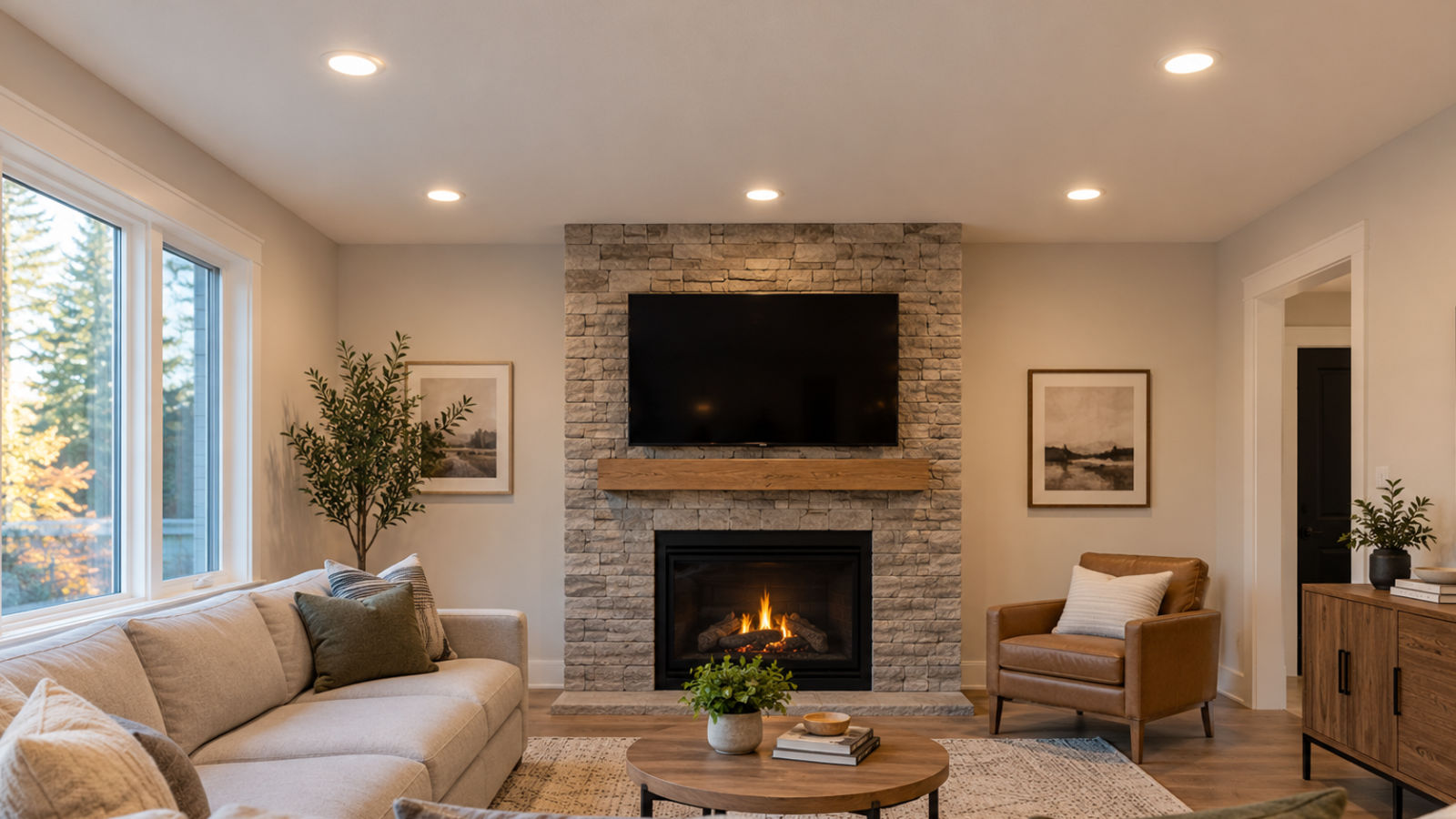
In the living room, you might want softer lighting around the seating area. You could also use a few lights to highlight a fireplace or another feature.
Hallways usually need simple, even lighting so you can see where you’re going.
The goal isn’t to put as many lights in the ceiling as possible. It’s to put the right amount of light where you need it.
How Far Apart Should Pot Lights Be?
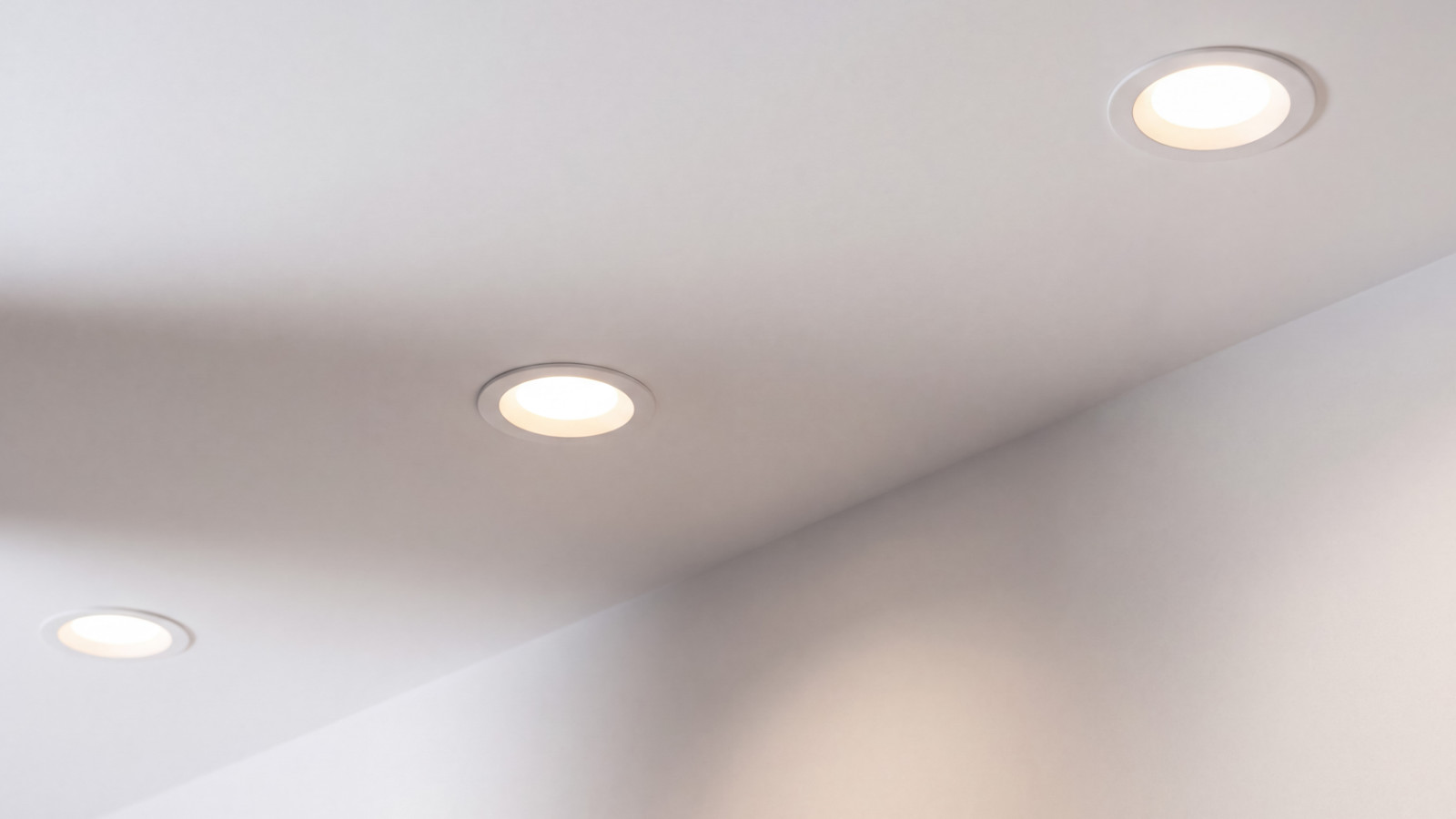
Spacing is another important part of recessed lighting installation.
Put the lights too close together, and your room might end up brighter than you want. Spread them too far apart, and you could have dark spots between them.
There’s no single spacing rule that works for every home.
Ceiling height, room size, fixture brightness, and the way you use the space all make a difference.
For example, a kitchen with an eight-foot ceiling might need a different layout than a living room with a vaulted ceiling.
A good pot light electrician can help you plan a layout that gives you even lighting without going overboard.
And remember, more lights aren’t always better. A thoughtful layout can often do more with fewer fixtures.
Can Your Existing Wiring Handle New Pot Lights?
Here’s something homeowners don’t always think about.
Just because you have an existing ceiling light doesn’t automatically mean you can add several pot lights to that same circuit.
Before starting pot light installation, an electrician needs to look at your existing wiring and electrical setup.
They’ll check whether the circuit has enough capacity for the new lights. They’ll also look at the condition of the wiring and whether any changes are needed.
In some homes, connecting new lights to an existing circuit is fairly straightforward.
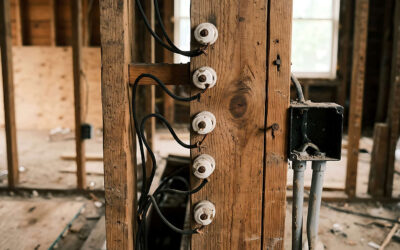
In older homes, things can get a little more complicated.
You might have older wiring, crowded electrical boxes, or circuits that already supply several other fixtures.
It’s much better to figure that out before cutting holes in your ceiling.
What’s Above Your Ceiling Matters, Too
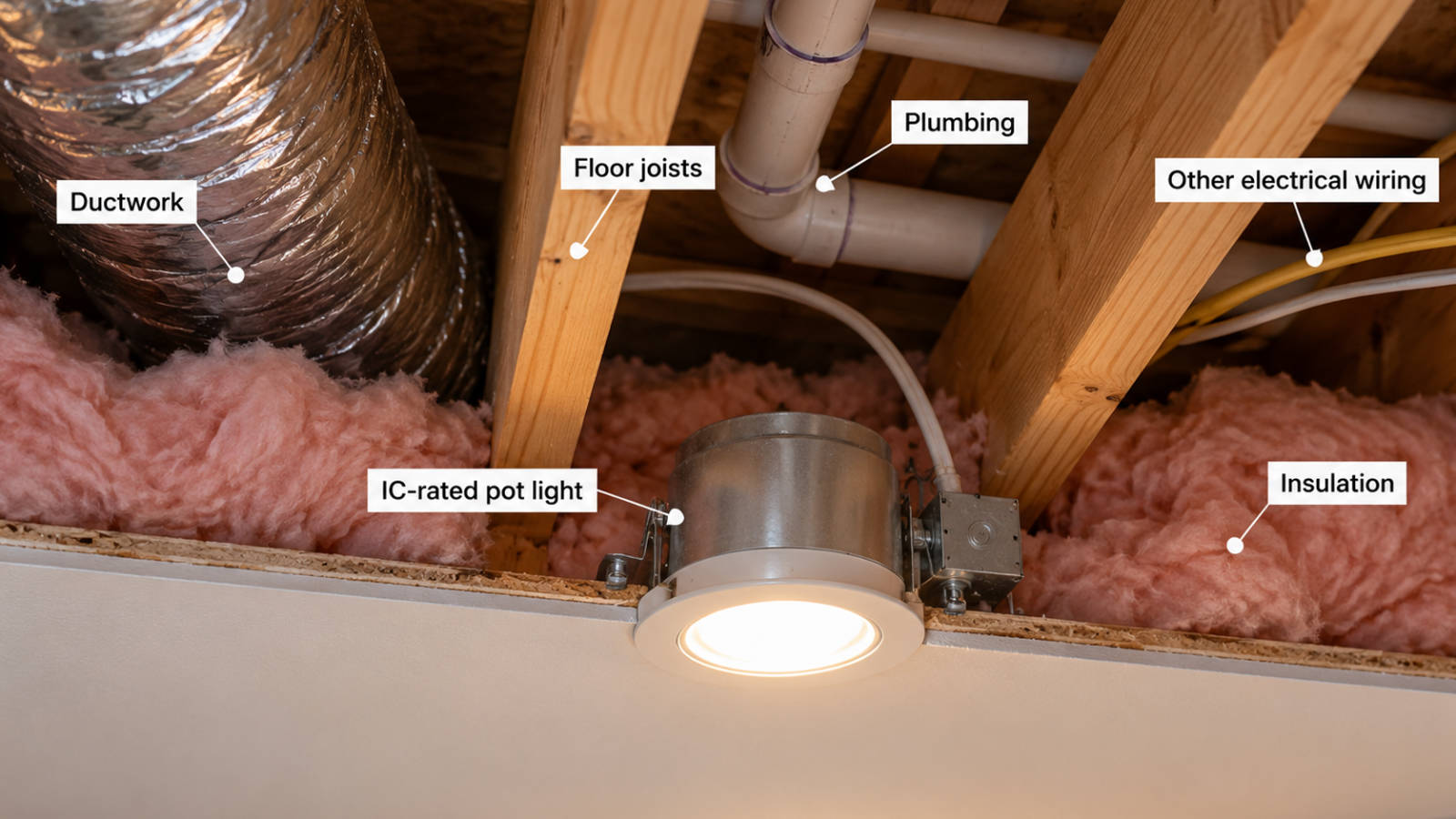
You can’t always tell what’s hiding above your drywall.
There could be insulation, floor joists, ductwork, plumbing, or other electrical wiring.
All of those things can affect where your lights can go.
This is especially important when planning pot light installation in a finished room where you don’t have easy access to the space above the ceiling.
Some fixtures are designed for ceilings with insulation, while others need extra clearance.
For example, an IC-rated fixture is designed for approved contact with insulation. A non-IC-rated fixture needs the clearances specified by its manufacturer.
Your electrician will help choose fixtures that are suitable for your ceiling and the conditions above it.
Sometimes that means making small changes to the original lighting layout.
That’s normal. It’s better to adjust the plan than install a light somewhere it doesn’t belong.
Should You Choose LED Pot Lights?
For most homeowners, LED pot lights are a great choice.
They use less electricity than older types of lighting, last a long time, and come in plenty of styles.
They’re also available in different colour temperatures.
Warm white lighting gives a room a softer, more comfortable feeling. It’s often a good choice for bedrooms and living rooms.
Cooler white lighting can work well in kitchens, laundry rooms, and other areas where you want a brighter feel.
You can also choose fixtures with different brightness levels, depending on the room.
If you’re comparing your options, Natural Resources Canada explains how LED lighting can help reduce household energy use.
Just make sure you’re choosing good-quality fixtures that are approved for use in Canada.
Don’t Forget About Dimmer Switches
Here’s one upgrade that’s definitely worth considering.
Adding dimmer switches during pot light installation gives you more control over how bright your rooms are.
Think about your living room.
You might want bright lighting when you’re cleaning or working on something. But when you’re watching a movie, you probably don’t want every light shining at full brightness.
A dimmer lets you adjust the lighting to suit what you’re doing.
The important thing is making sure your dimmer switches and LED fixtures are compatible.
Not every LED light works with every dimmer. Using the wrong combination can cause flickering, buzzing, or lights that don’t dim properly.
Your electrician can help you choose products that work well together.
Do You Need a Licensed Electrician to Install Pot Lights?
If you’re planning pot light installation in Orangeville or anywhere else in Ontario, this part is important.
Electrical work needs to meet Ontario’s electrical safety requirements.
While homeowners can perform certain electrical work in their own homes, the work still needs to follow the rules for permits and inspections.
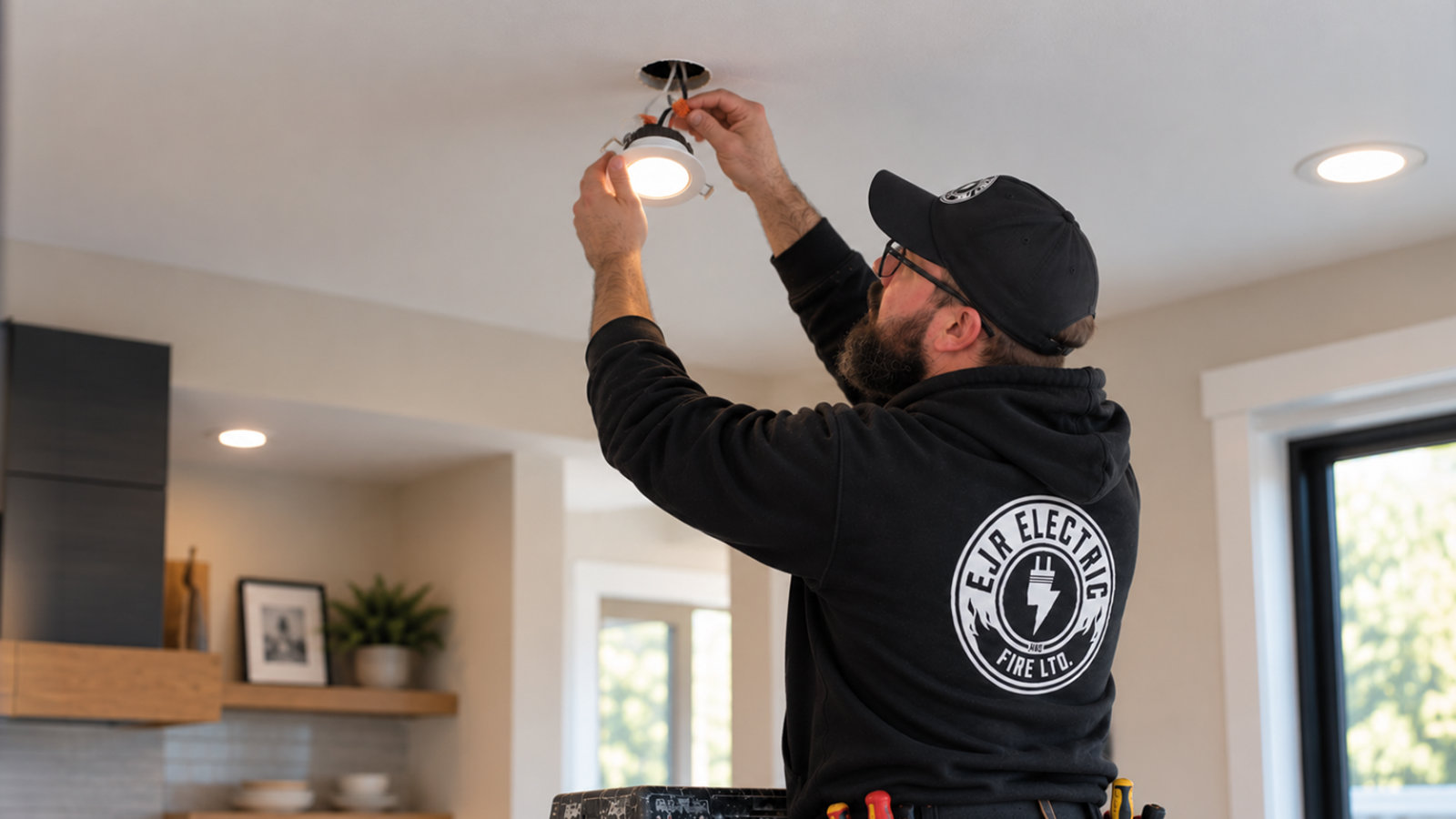
If you’re hiring someone, they must be a Licensed Electrical Contractor.
The Electrical Safety Authority explains Ontario’s requirements for hiring someone to do electrical work.
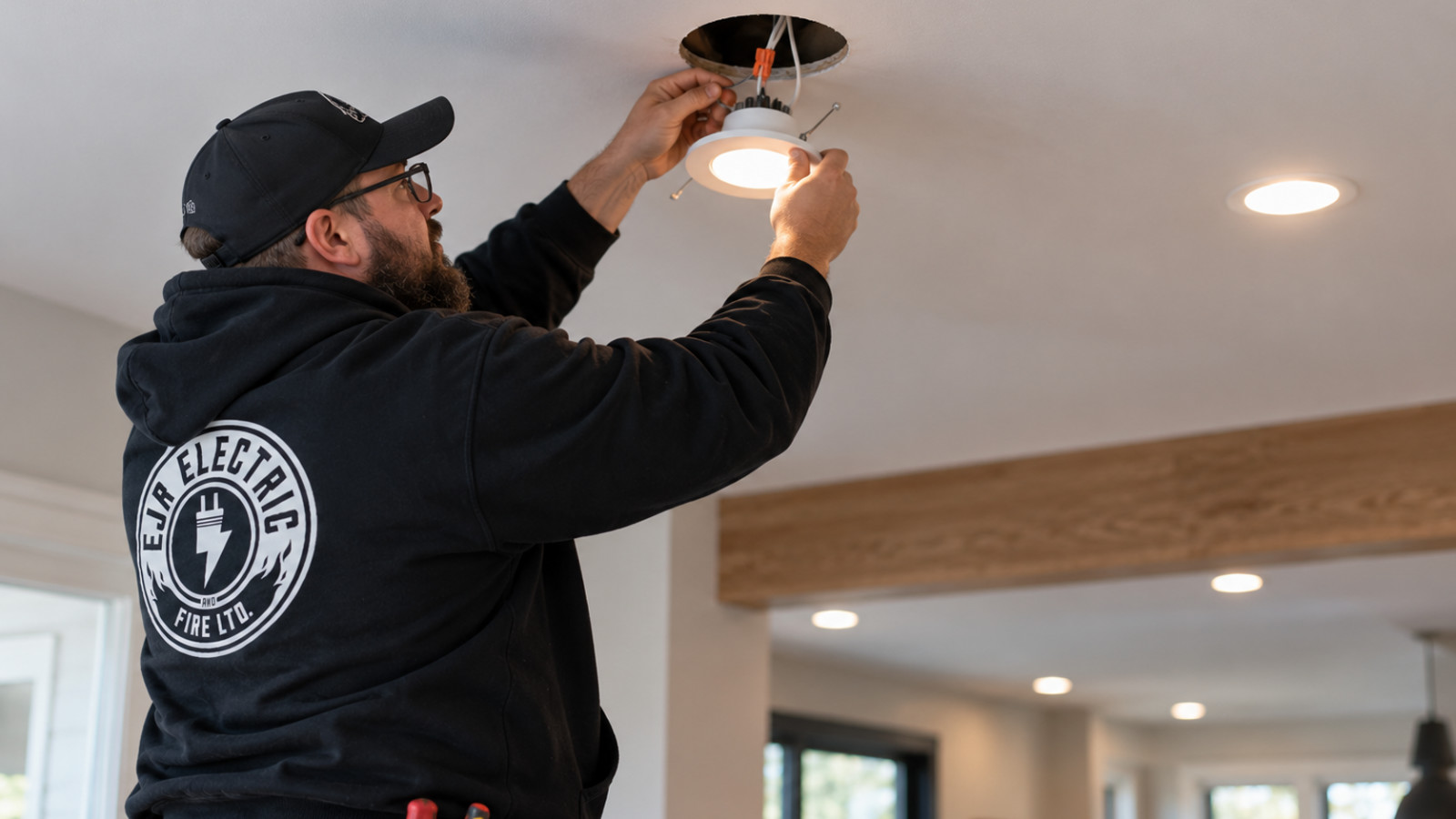
Professional installation also helps prevent problems that aren’t always obvious right away.
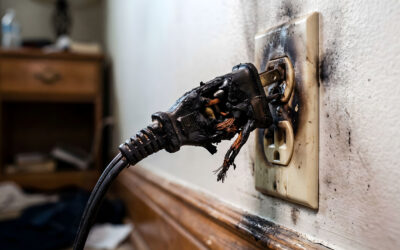
Loose connections, damaged wiring, incorrect fixtures, and improper installation can create serious safety concerns.
And while adding recessed lighting might look simple in a home renovation video, there’s a big difference between making a light turn on and making sure it’s installed safely.
Good Lighting Starts With a Good Plan
A little planning goes a long way when you’re updating your home’s lighting.
You want lights that look good, work well, and make your everyday life a little easier.
That means thinking about placement, spacing, ceiling conditions, wiring, and the types of fixtures you choose.
Whether you’re updating one room or planning a larger renovation, getting advice before you start can save you time, money, and headaches.
At EJR Electric, we’re happy to help you figure out what makes sense for your home. We’ll look at your space, talk about what you’re hoping to achieve, and help you choose a lighting setup that works.
Ready to Brighten Up Your Home?
Thinking about adding pot lights to your kitchen, basement, or living room? EJR Electric can help with safe, professional residential lighting installation in Orangeville and surrounding areas.
Contact EJR Electric today to talk about your lighting project and get started.