The way homes use electricity is changing fast, and many homeowners are realizing they need a 200-amp service upgrade Dufferin properties require to stay modern. A few years ago, most homeowners weren’t thinking about charging a vehicle in the garage overnight or replacing their furnace with a high-efficiency heat pump. Now, those upgrades are becoming pretty normal across Ontario.
The problem is, a lot of homes in Orangeville and surrounding areas were never designed for this kind of electrical demand in the first place.
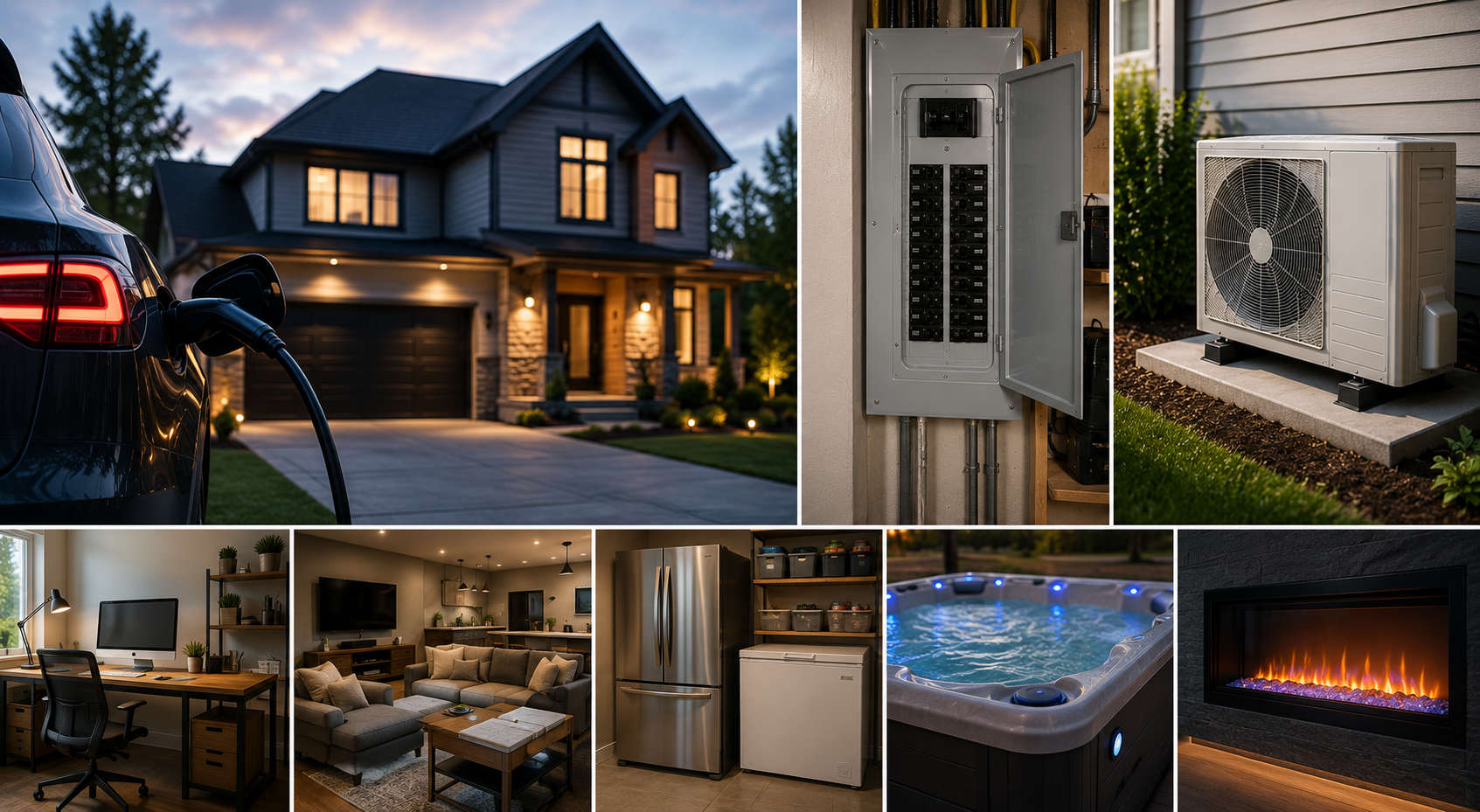
Between EV chargers, heat pumps, hot tubs, smart home systems, and bigger appliances, modern homes are asking for more power than ever before. That’s why more homeowners are starting to ask an important question before jumping into upgrades: is the electrical system actually ready for it?
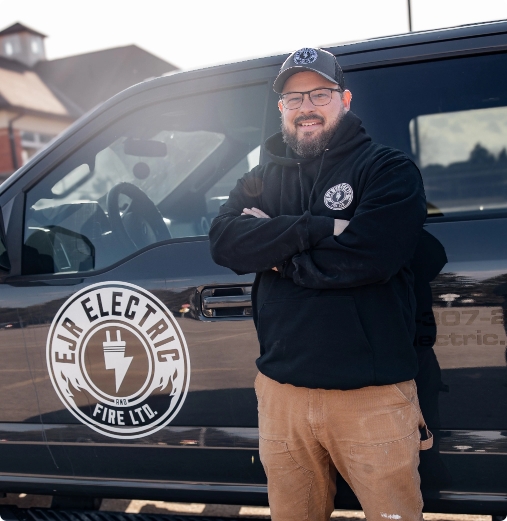
At EJR Electric & Fire LTD., that conversation is happening more and more every month.
Homes Are Using More Power Than They Used To
It sneaks up on people a little bit.
You buy an electric vehicle and suddenly want faster overnight charging. Then maybe the old furnace starts acting up, and now you’re looking into a heat pump. Add a home office setup, extra freezers, air conditioning, or a basement renovation, and your electrical system starts carrying a much heavier load than it did 15 or 20 years ago.
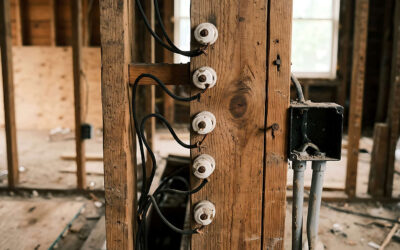
A lot of older homes around Dufferin County were built when a 100-amp service was considered more than enough. Back then, people weren’t charging vehicles at home or running multiple high-demand systems all at once.
Now? Things are different.
That doesn’t automatically mean every house needs major electrical work tomorrow morning. But it does mean homeowners should understand what their system can realistically handle before adding more equipment onto it.
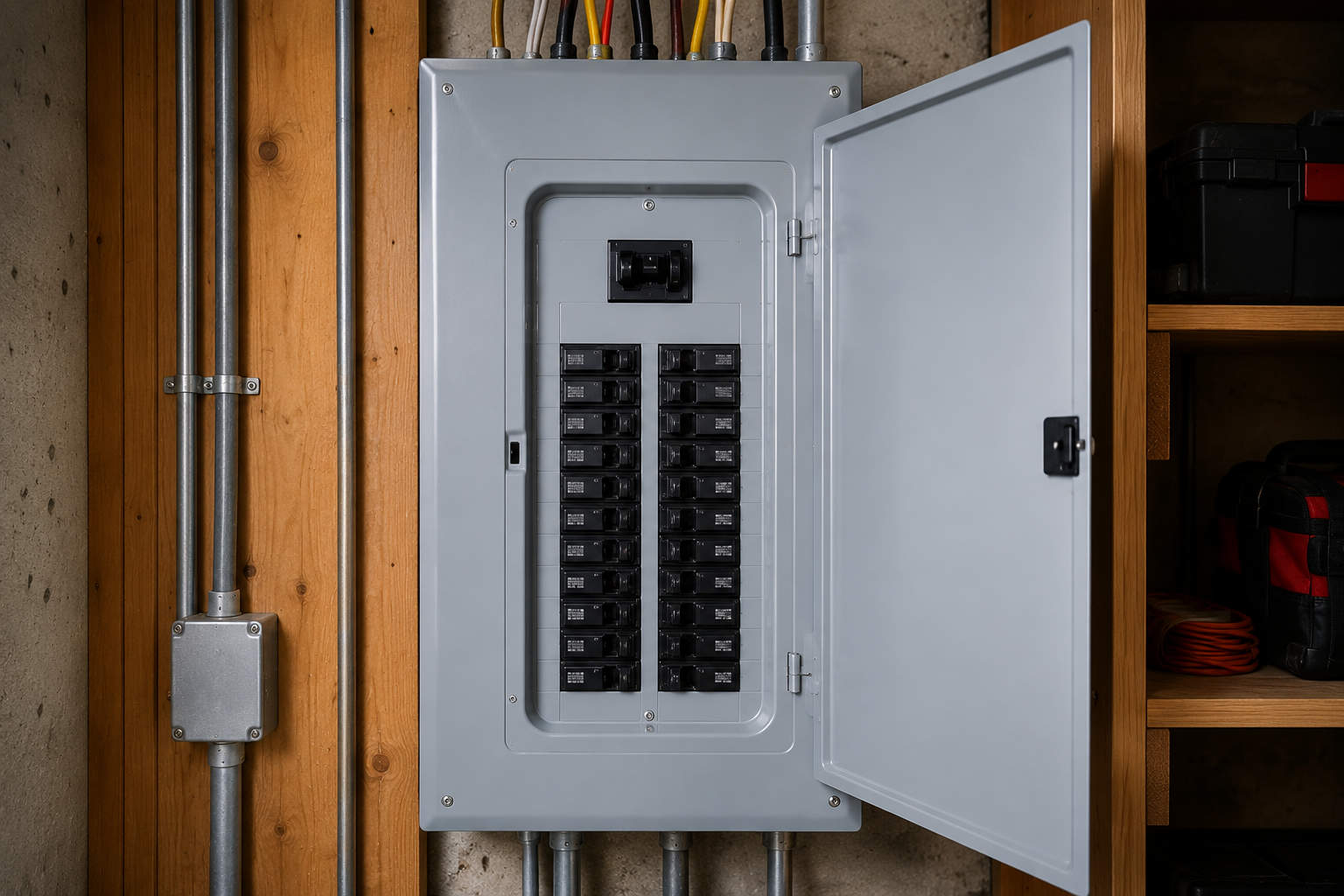
Your Electrical Panel Might Be Trying to Tell You Something
Most people don’t think about their electrical panel until something goes wrong.
Maybe breakers trip when the microwave and kettle are running together. Maybe lights flicker when the AC kicks on. Maybe there’s simply no room left in the panel for another breaker.
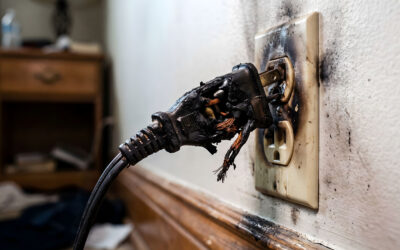
Those are usually signs that the system is already working pretty hard.
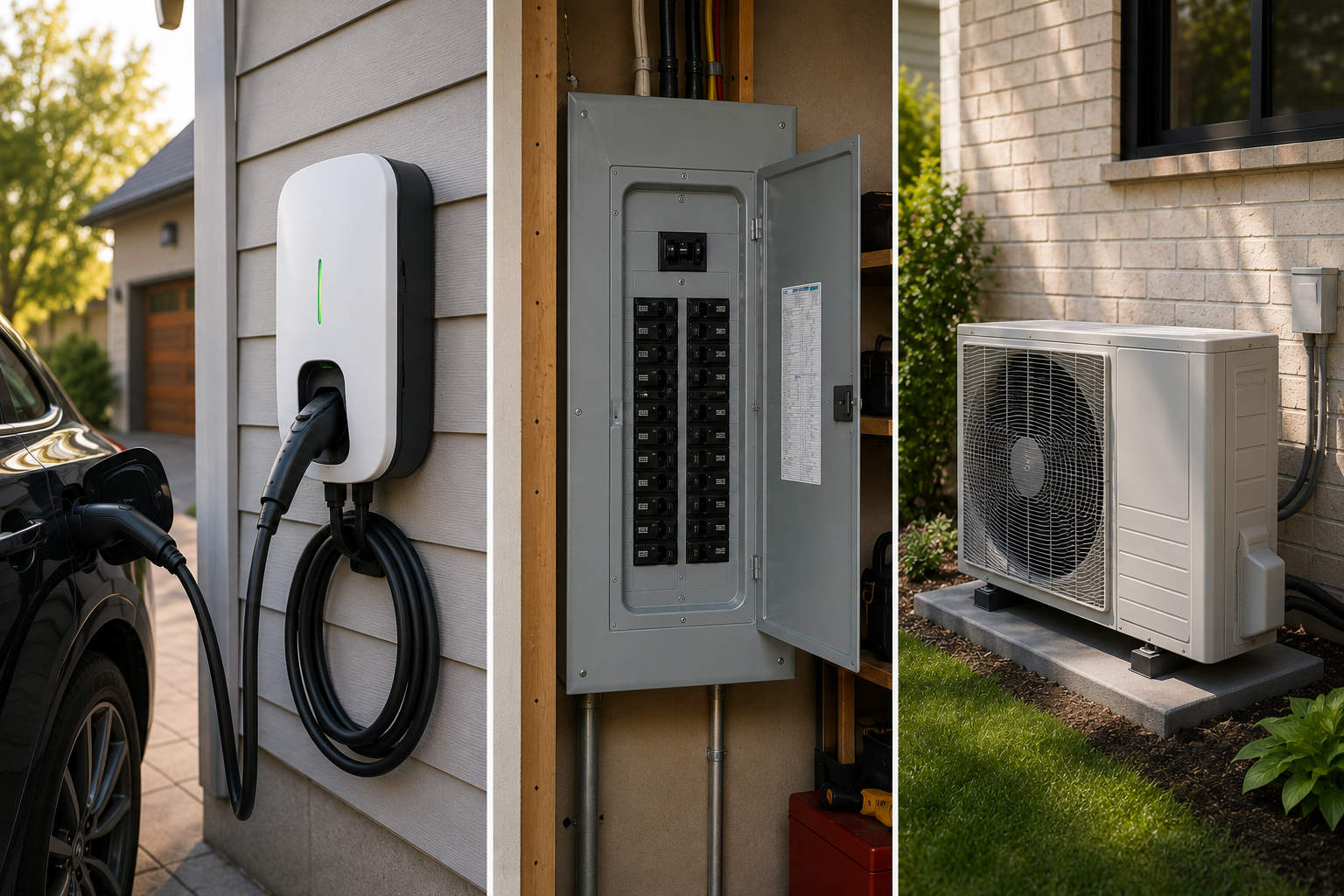
One of the biggest things homeowners discover during an EV charger installation is that the charger itself is only part of the project. The panel capacity matters just as much.
A Level 2 charger, which is what most homeowners want for practical overnight charging, requires dedicated power and proper wiring. If the panel is already near capacity, adding an EV charger can push things past a safe limit.
That’s why a proper assessment matters before the installation starts.
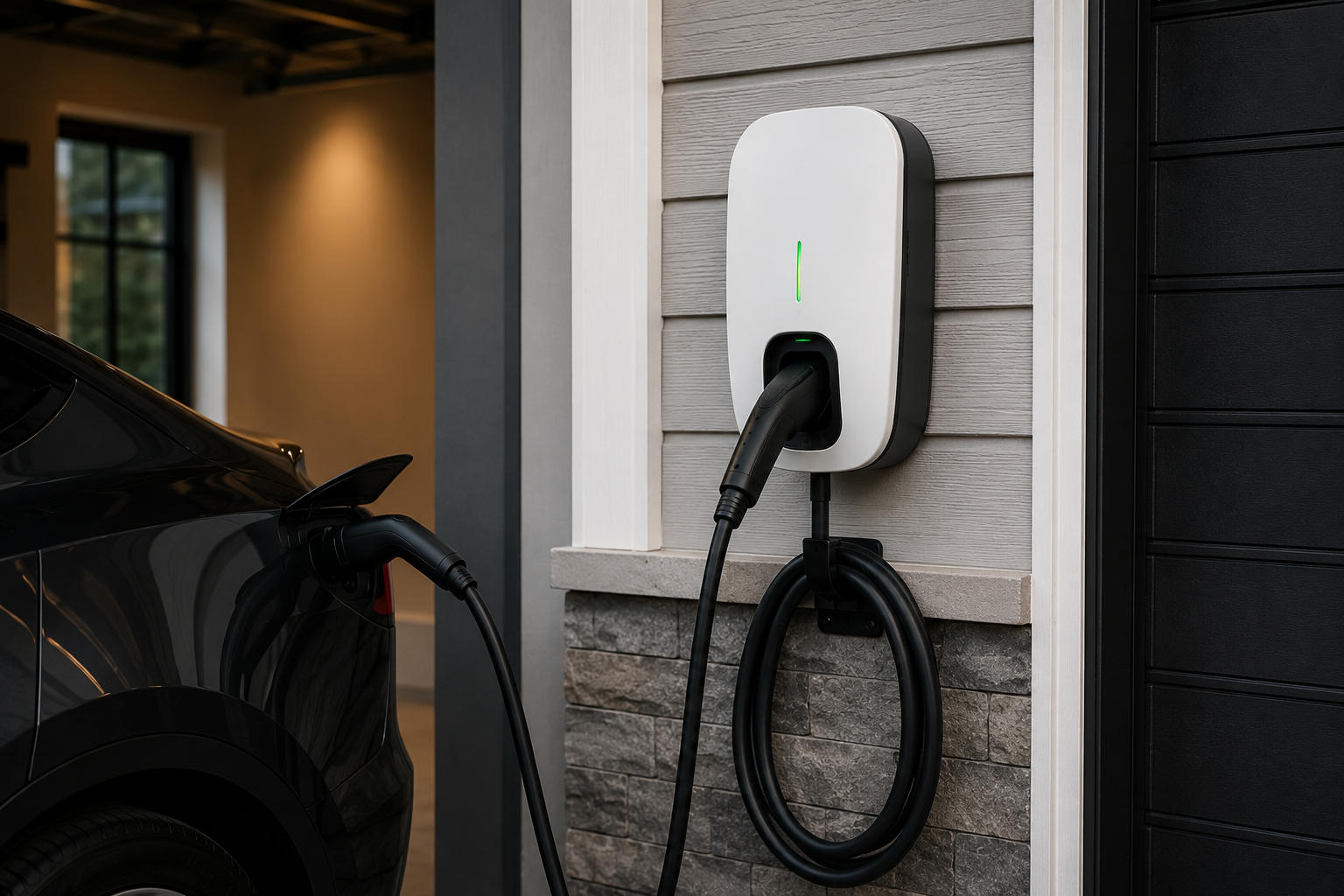
EV Charger Installation Isn’t Just “Plugging Something In”
A lot of people are surprised by this part.
They assume buying the charger is the hard part, then realize the installation itself requires planning, permits, breaker sizing, load calculations, and code-compliant wiring.
A proper EV charger installation should feel seamless once it’s done. You pull into the garage, plug in the vehicle, and everything works exactly the way it should. No overheating. No nuisance breaker trips. No extension cords running across the floor.
But getting there safely requires the right setup behind the scenes.
That’s why homeowners looking for EV charger installation Orangeville services are increasingly asking questions about panel capacity at the same time. The charger is only one piece of the equation.
At EJR Electric & Fire LTD., the goal is never to overcomplicate things or scare people into unnecessary upgrades. Sometimes the existing setup works perfectly fine. Sometimes it doesn’t. The important thing is figuring that out before the installation begins.
When a 200-Amp Service Upgrade Actually Makes Sense
Not every home needs a bigger electrical service. But some definitely do.
A 200-amp service upgrade Dufferin homeowners invest in is usually about future-proofing the house properly instead of constantly running into limitations later.
For example, if a home already has:
- an EV charger
- a heat pump
- electric appliances
- a finished basement
- a hot tub
- or plans for future renovations
…a larger service often makes practical sense.
The nice part about doing it proactively is that it gives homeowners room to grow. Instead of maxing out the panel every time something new gets added, the system is designed with extra capacity in mind.
That usually means fewer headaches later and less risk of needing multiple smaller upgrades over time.
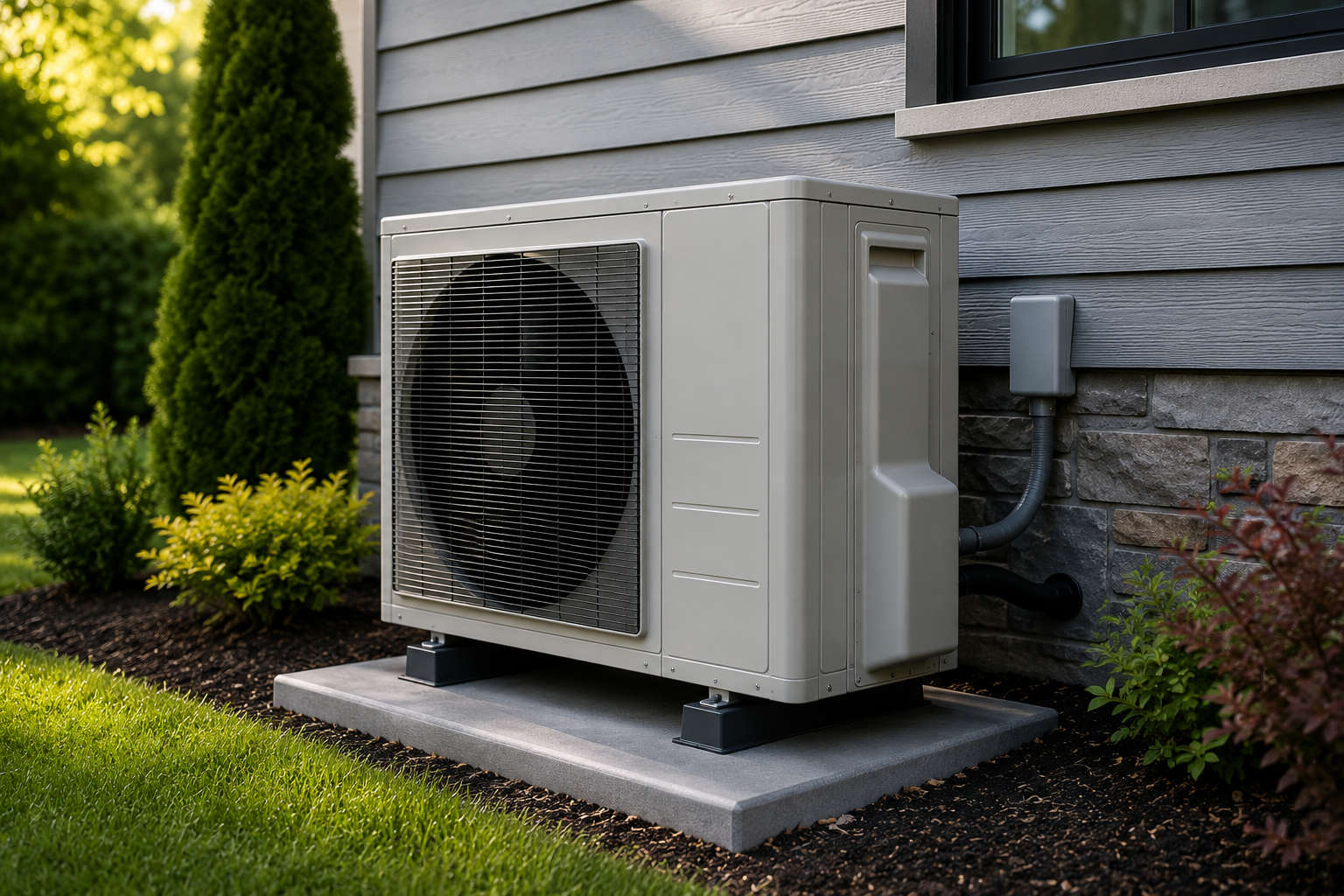
Heat Pumps Need Electrical Planning Too
A lot of homeowners focus so much on the HVAC side of heat pump installations that they forget about the electrical side completely.
That can create problems.
Heat pump electrical prep is one of those things that works best when it’s planned early. Depending on the size of the system and the home’s existing electrical setup, there may need to be panel adjustments, new circuits, disconnects, or service upgrades before the HVAC installation can move forward properly.
When that planning gets skipped, projects can suddenly stall halfway through because the electrical system can’t support the equipment safely.
Nobody wants that surprise after already committing to a major upgrade.
That’s why coordination between trades matters. When electricians and HVAC installers are on the same page early, projects tend to go smoother, faster, and with fewer unexpected costs popping up in the middle.
Green Energy Upgrades Work Best With a Long-Term Plan
A lot of homeowners are thinking about green energy home upgrades right now, and honestly, that’s a good thing.
More efficient systems can lower energy use, improve comfort, and make homes feel more modern and functional overall.
But the smartest upgrades usually happen when homeowners think about the entire electrical system, not just one new device at a time.
Maybe you only need an EV charger today. But what happens if you add a second electric vehicle later? What if you eventually want battery backup power, solar integration, or a generator hookup?
Planning ahead now can save a lot of frustration later.
That doesn’t mean overbuilding everything “just in case.” It just means making smart, practical decisions that leave some breathing room for the future.
People Want Straight Answers, Not Sales Pitches
One thing homeowners are getting tired of is feeling like every contractor conversation turns into a giant upsell.
Most people just want someone to tell them honestly:
- what’s necessary
- what can wait
- and what makes the most sense for how they actually live
That’s a big reason why local companies like EJR Electric & Fire LTD. tend to stand out. The approach is straightforward, practical, and grounded in real-world experience.
No dramatic scare tactics. No trying to sell people equipment they don’t need.
Just solid advice, safe work, and electrical systems that are built to handle modern life properly.
The Shift to Electric Is Already Happening
Ontario homes are changing whether people realize it or not.
Electric vehicles are becoming more common. Heat pumps are becoming more common. Homes are relying on electricity for more things than ever before, and older electrical systems are starting to feel that pressure.
The good news is that most issues can be planned for well before they become emergencies.
Whether you’re thinking about an EV charger installation, preparing for a heat pump, or simply wondering if your current setup is keeping up with modern demand, having the system checked properly now can save a lot of stress later.
And honestly, it’s a whole lot easier to upgrade things before the lights start flickering.