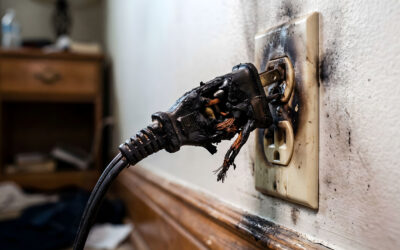
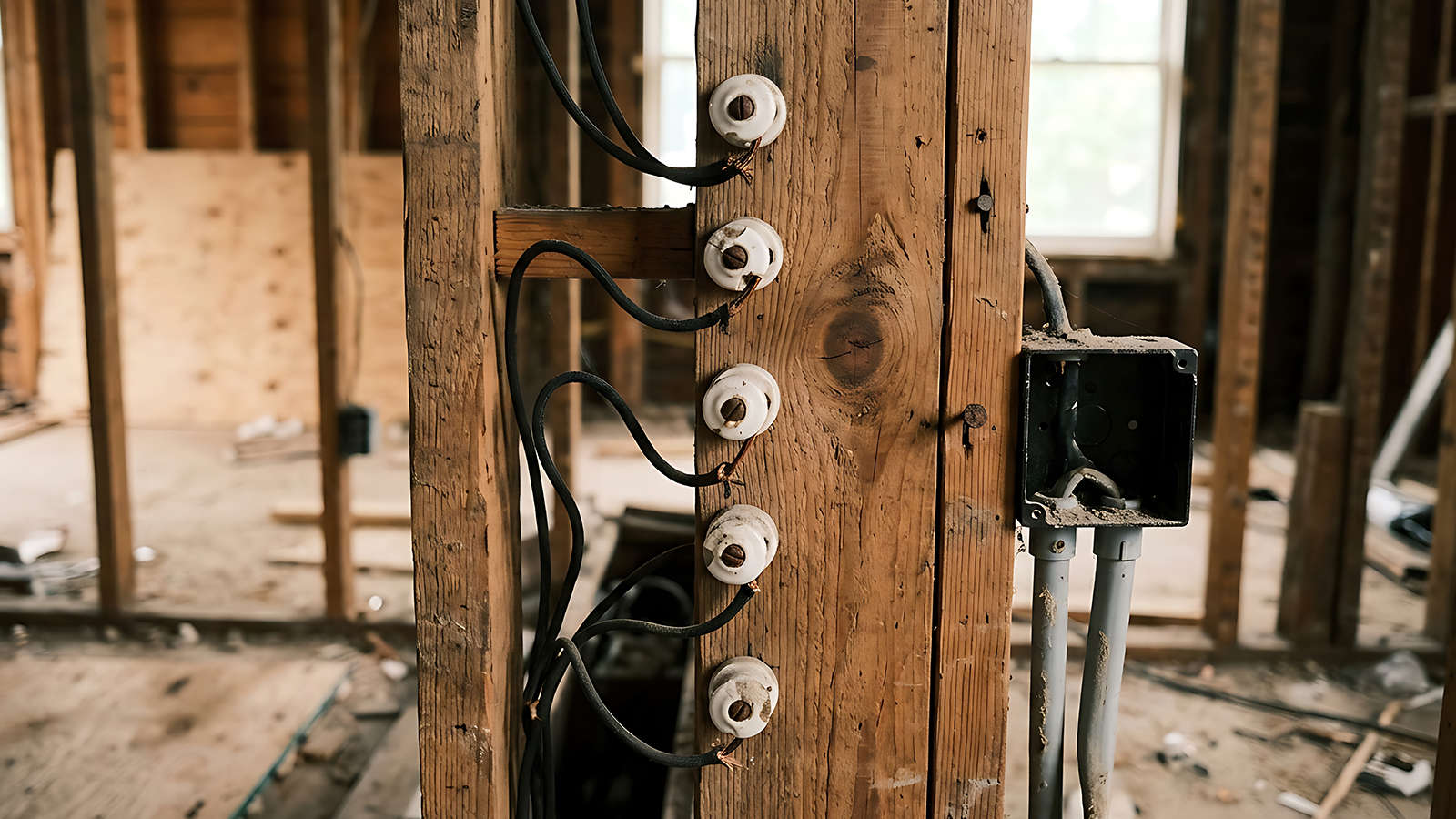
Older homes have a lot going for them. They have character, history, and details you just don’t see in newer houses. But sometimes, they also have electrical systems that were installed when the average family owned a radio, a toaster, and not much else.
If your home was built in the first half of the 1900s, there’s a chance it still has some knob and tube wiring.
Finding it doesn’t automatically mean your house is unsafe or that you need to start tearing open the walls tomorrow. It does mean it’s worth finding out what you have, what condition it’s in, and whether it still makes sense for the way you use your home today.
What Is Knob and Tube Wiring?
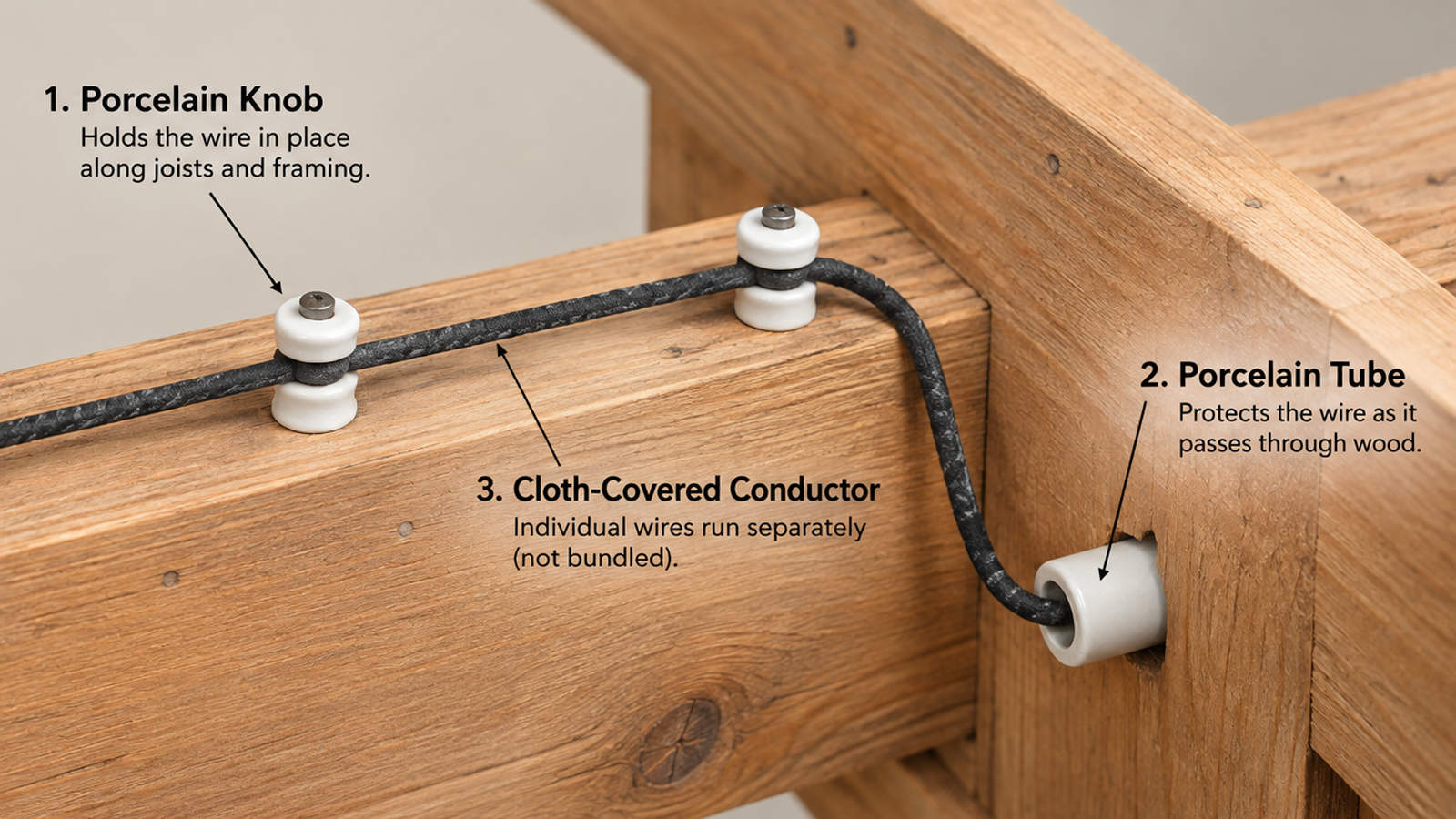
Knob and tube wiring is an older way of running electrical wires through a home. It was commonly used in Ontario homes from the early 1900s through the 1940s.
The name comes from the ceramic pieces used in the system. Porcelain knobs hold wires in place along joists and framing. Porcelain tubes protect the wires as they pass through wood.
Unlike the wiring used in homes today, the wires run separately instead of being bundled together inside one cable. The system also does not include the grounding conductor found in modern electrical wiring.
If you have an unfinished basement or attic, you may be able to see the ceramic knobs or tubes yourself. But that doesn’t tell you how much of the home still uses the system. Older houses are often a mix of different generations of electrical work.
You might have modern wiring in the kitchen, old house wiring in a bedroom, and something completely different in another part of the house.
That’s why an electrical assessment can be much more useful than guessing based on what you can see.
Is Knob and Tube Wiring Dangerous?
This is where things get a little more complicated.
Having knob and tube wiring does not automatically mean your home is dangerous.
The Electrical Safety Authority (ESA) says properly maintained knob and tube can remain safe. The problem is that we’re talking about wiring that may have been in a home for many decades. The original system may also have been changed, added to, or repaired several times along the way.
According to the Electrical Safety Authority’s information on knob and tube wiring, a Licensed Electrical Contractor can assess the system for signs of deterioration or damage and determine whether replacement should be considered.
That condition is what matters.
The insulation around older wires can become brittle or damaged over time. Connections may have been changed. Circuits may have been extended or overloaded as previous owners added outlets, appliances, and renovations.
In other words, the wiring may have started out perfectly fine. What happened to it during the next 70 or 80 years is the bigger question.

Older Wiring Wasn’t Designed for a Modern Home
Think about how many electrical devices you use every day.
We have computers, televisions, kitchen appliances, gaming systems, chargers, air conditioners, home offices, and countless other things plugged in around the house. Add larger electrical loads such as an EV charger or other new equipment, and the demands on a home’s electrical system can be very different from what they were decades ago.
Modern electrical systems also include safety features that weren’t part of the original knob and tube design.
For example, modern wiring includes grounding. Today’s electrical systems can also use GFCI and AFCI protection in areas where those safety measures are required.
That doesn’t mean every older home needs complete house rewiring. It means your electrical system needs to be looked at as a whole.
What do you have? What condition is it in? Has it been altered? And can it safely handle what you’re asking it to do?
Those are much better questions than simply asking how old the wiring is.
When Should Knob and Tube Wiring Be Replaced?
There isn’t one answer that applies to every house.
The ESA recommends having a Licensed Electrical Contractor assess knob and tube conductors for deterioration and damage. Replacement may be recommended when there are signs of damaged insulation, poor connections, overheating, overloading, or alterations that don’t meet electrical safety requirements.
You may also want to discuss knob and tube wiring replacement if you’re already planning a major renovation. If walls and ceilings are going to be opened anyway, it can be a good opportunity to address old wiring that would otherwise be difficult to reach.
The same applies if you’re adding significant electrical loads to the home. An electrician can determine whether the existing electrical system can support what you’re planning and whether electrical rewiring should be part of the project.
Watch for Signs Your Electrical System Needs Attention
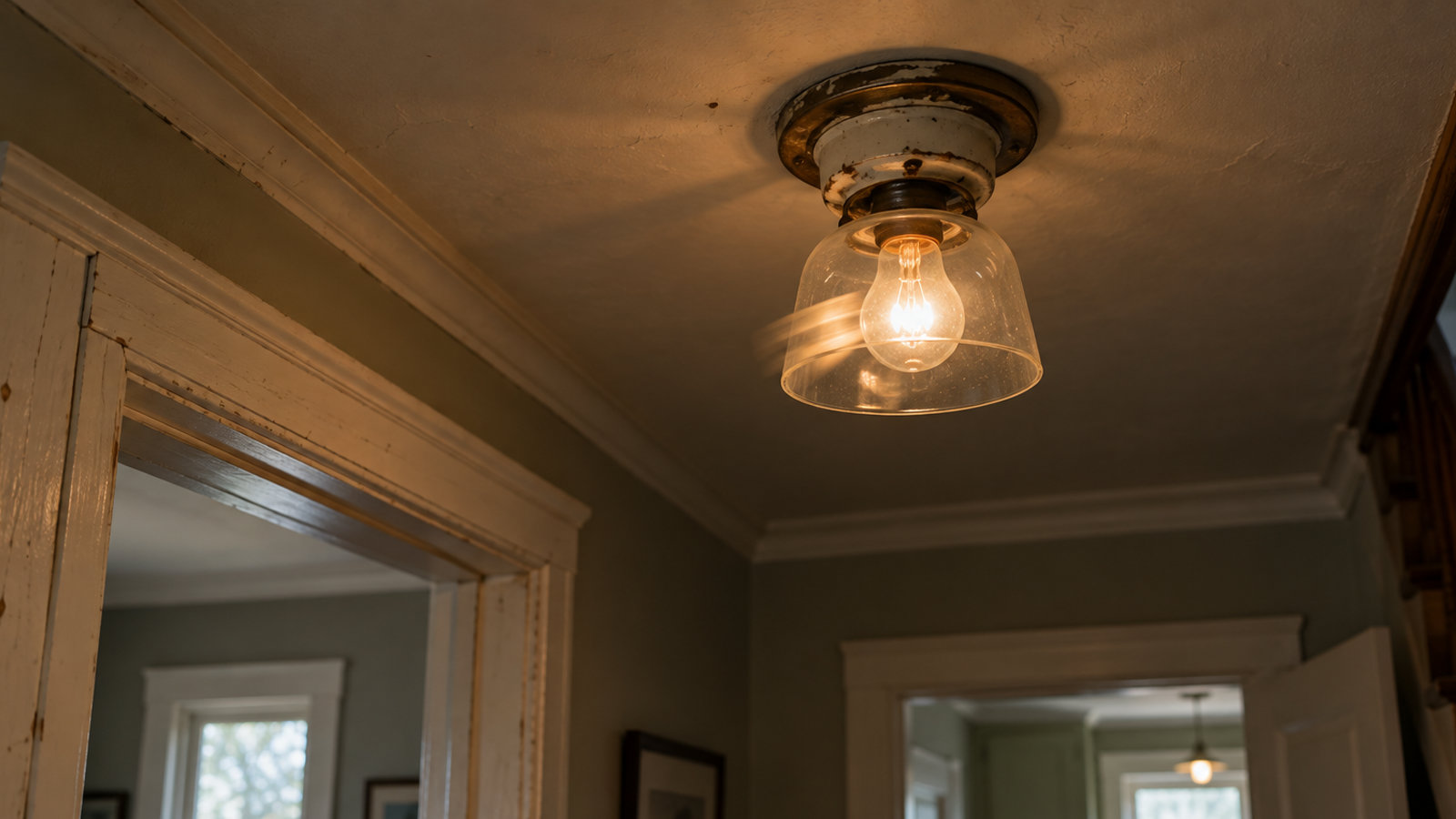
Sometimes an older electrical system gives you clues that something isn’t right.
Frequently tripped breakers or blown fuses deserve attention. So do warm outlets or switches, buzzing sounds, burning smells, discoloured outlets, or lights that regularly flicker or dim.
You should never ignore a burning smell, sparking, or unusual heat around electrical equipment.
But there’s another important point here: no obvious warning signs does not necessarily mean everything behind the walls is perfect.
If you’ve bought an older home and don’t know the history of its electrical system, having it assessed can give you a much clearer picture of what you’re working with.
Knob and Tube Wiring Can Also Affect Insurance
Safety isn’t the only reason homeowners ask about old wiring.
Insurance can be a factor too.
The Insurance Bureau of Canada explains that knob and tube wiring is a common concern in pre-war homes. It recommends telling your insurance provider if knob and tube is present. Some insurers may require an electrical assessment or updated documentation before providing or continuing coverage.
Requirements can vary from one insurer to another, so it’s worth talking directly to your insurance company before buying an older home or planning a knob and tube wiring replacement.
If you’re considering buying an older house in Orangeville or the surrounding area, this is especially useful to sort out before closing. Knowing what wiring is there and what your insurer requires can prevent an unwelcome surprise later.
Rewiring an Older Home Doesn’t Always Mean Tearing Everything Apart
One of the biggest worries people have about electrical rewiring is what it will do to the house.
That makes sense. Nobody wants to hear that every wall in their beautiful old home has to come down.
Fortunately, house rewiring doesn’t necessarily work that way.
An experienced knob and tube electrician can assess how the existing wiring is routed and determine the best way to replace it. In many homes, new wiring can be carefully fished through walls and ceilings using smaller access points.
Exactly what is involved will depend on the house. Older homes can be full of surprises, and every layout is a little different.
That’s why it’s difficult to tell someone what their rewiring project will involve without actually seeing the property.

Start With an Electrical Assessment
If you think your home has knob and tube wiring, you don’t need to panic, and you don’t need to make assumptions about what has to be replaced.
Start by finding out what you actually have.
A Licensed Electrical Contractor can look at the visible wiring, check its condition, identify changes or problem areas, and help you understand how much of the home may still rely on the older system.
From there, you can make a sensible plan.
Maybe the wiring is in good condition and simply needs to be monitored. Maybe there are a few areas that need attention. Or maybe knob and tube wiring replacement makes sense because of its condition, your renovation plans, your electrical needs, or your insurance requirements.
If you have an older home in Orangeville and aren’t sure what’s hiding behind the walls, EJR Electric can help. We’ll take a look at your electrical system, explain what we find in everyday language, and help you figure out what makes sense for your home.
Have questions about old wiring in your home? Contact EJR Electric to book an electrical assessment and get a clearer picture of what you’re working with.