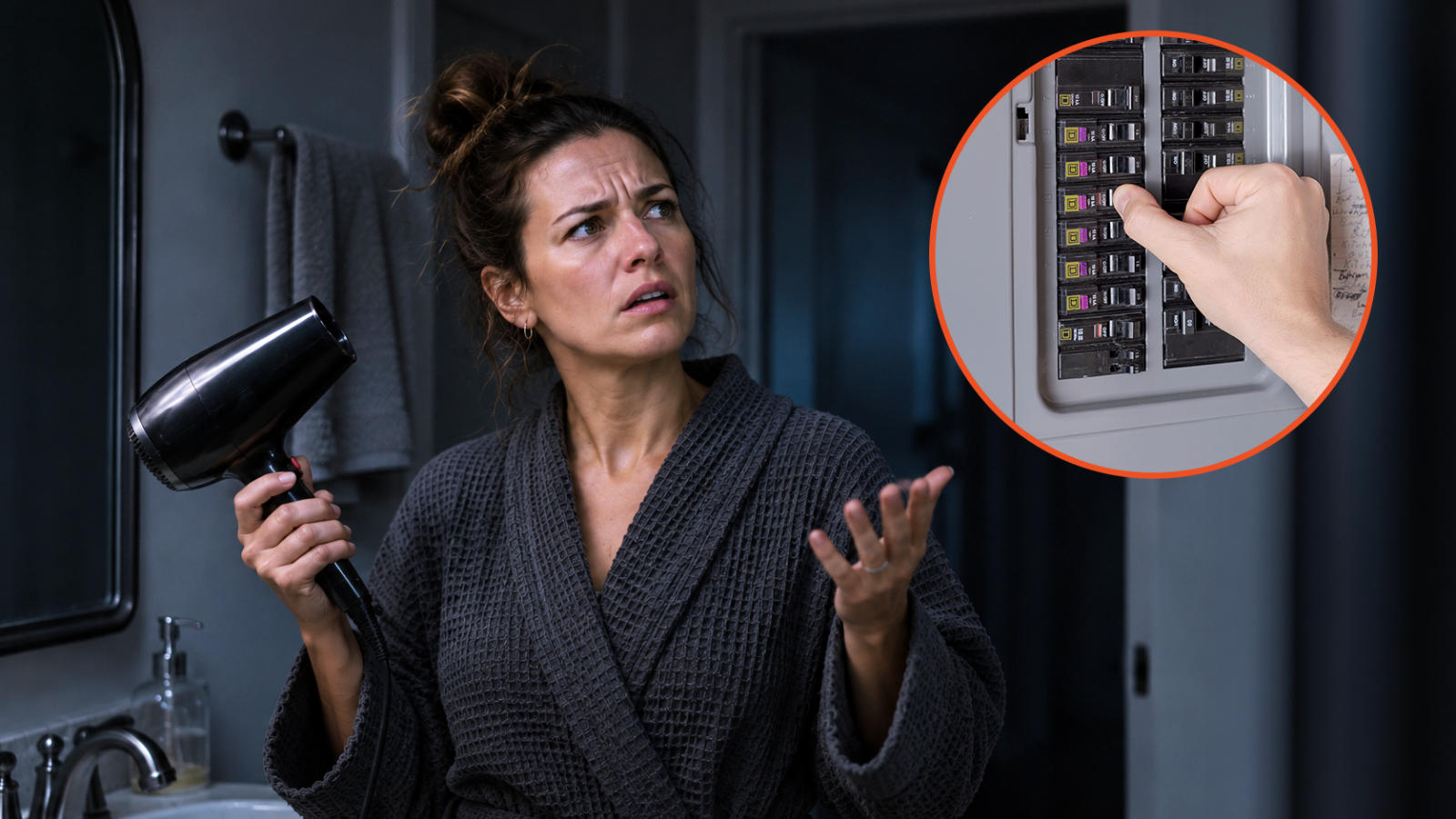
You’re halfway through making dinner when the microwave suddenly stops working. Or maybe you’re getting ready in the morning, turn on your hair dryer, and the bathroom goes dark.
Again.
You head to the electrical panel, flip the breaker back on, and everything seems fine. Until the next time it happens.
Sound familiar?
If your breaker keeps tripping, there’s usually a reason. Sometimes, it’s something as simple as having too many things plugged in at once. Other times, it could be a problem with an appliance, the wiring, or the breaker itself.
The trick is figuring out what’s causing it. Let’s look at some of the most common reasons and what you can do about them.
First, Why Do Circuit Breakers Trip?
Think of a circuit breaker as a safety switch for your home’s electrical system.
Every circuit in your house is designed to handle a certain amount of electricity. When something goes wrong, the breaker shuts off power to that circuit to help protect the wiring from overheating or becoming a fire hazard.
That’s actually a good thing!
A tripping circuit breaker is doing exactly what it’s supposed to do when it detects an overload or certain electrical faults.
But if the same breaker keeps turning off, it’s worth finding out why. Resetting it over and over won’t fix the problem, and it could allow a dangerous electrical issue to go unnoticed.
1. You’ve Got Too Many Things Running at Once
This is one of the most common reasons a breaker trips, and it’s especially common in kitchens, bathrooms, and older homes.
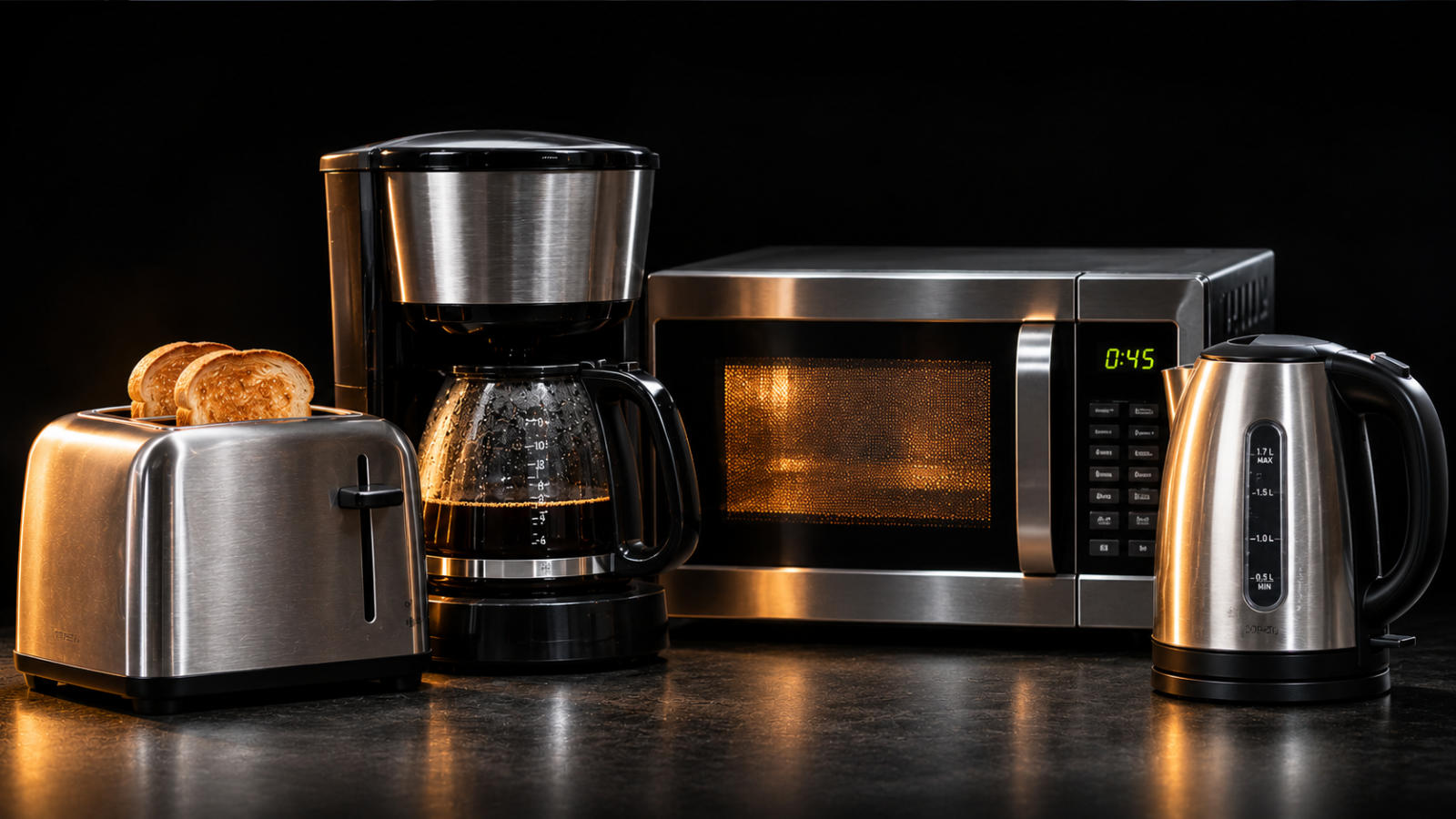
Let’s say you’ve got the toaster going, the coffee maker brewing, and the microwave heating up breakfast. If they’re all using the same circuit, that might be more electricity than the circuit can safely handle.
The breaker trips, and suddenly breakfast gets a little more complicated.
That’s called an overloaded circuit.
You might notice that everything works fine until you turn on one particular appliance. Or maybe the breaker only trips when several things are running together.
If that sounds familiar, try using fewer appliances at the same time.
If it keeps happening, an electrician can check whether your home needs an additional circuit to handle everything you’re using.
2. One of Your Appliances Is Causing Trouble
Sometimes, the problem isn’t the circuit at all. It’s something plugged into it.
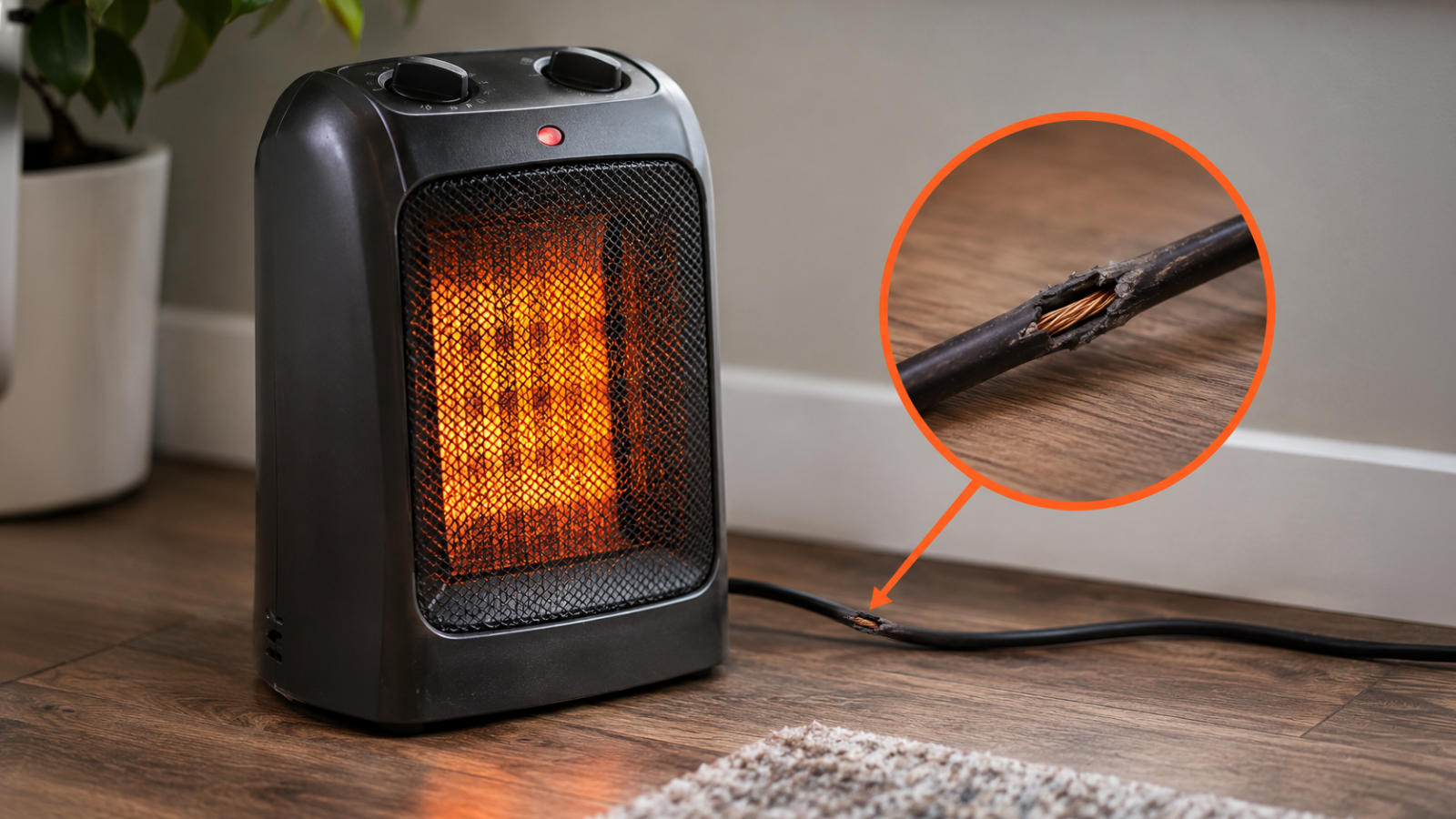
Appliances can develop electrical problems as they get older. A damaged cord, a worn-out motor, or an internal wiring issue can cause a breaker to trip.
Space heaters, air conditioners, refrigerators, and other appliances that use a lot of electricity can sometimes be involved.
Here’s a clue: Does the breaker trip every time you turn on the same appliance?
If it does, stop using that appliance until it’s been checked.
You can also unplug devices on the affected circuit and see whether there’s an obvious damaged cord or plug. If everything looks normal but the breaker keeps tripping, it’s time to have an electrician investigate.
3. There Could Be a Short Circuit
A short circuit sounds pretty serious, and it can be.
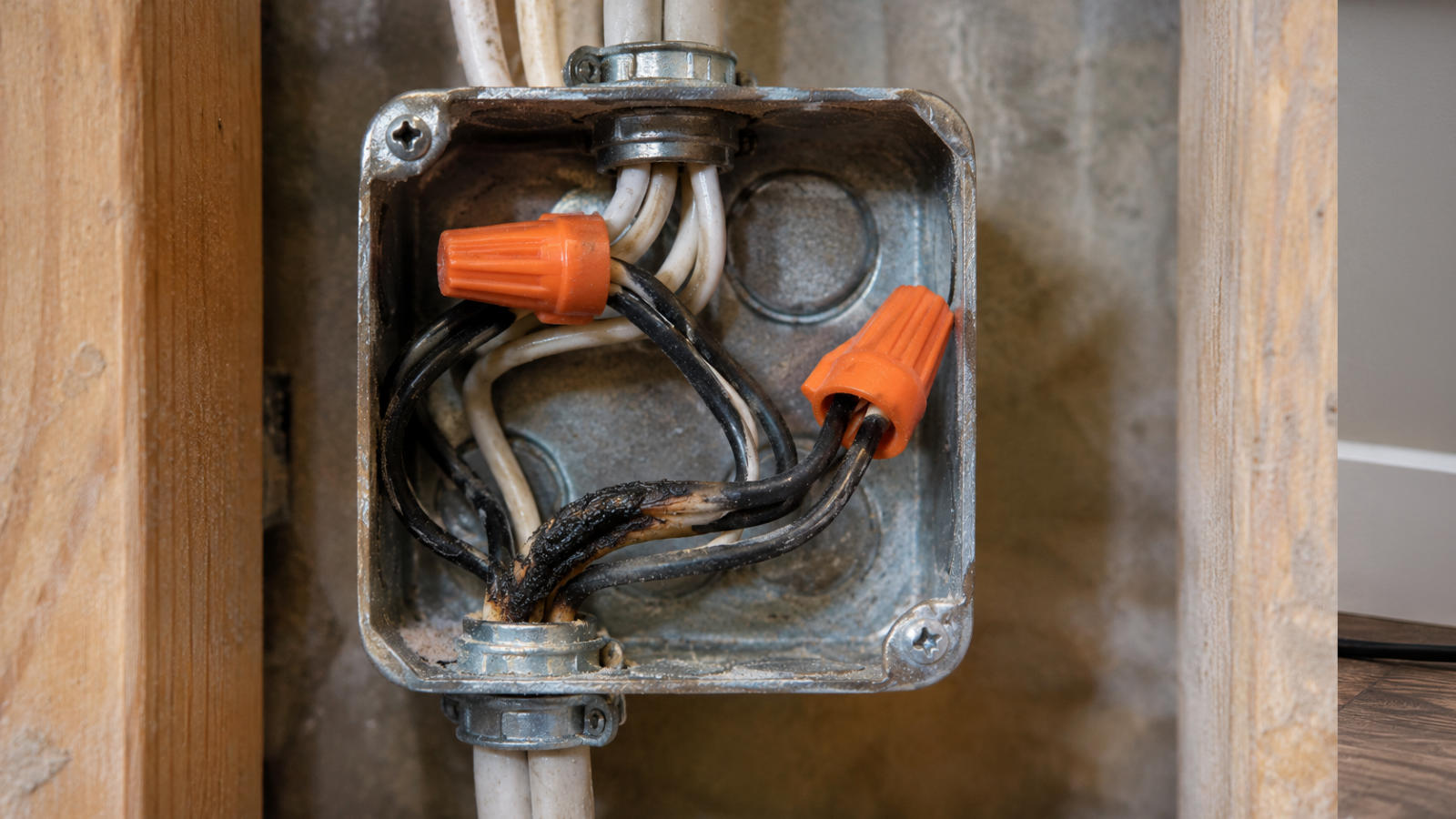
Normally, electricity travels along a specific path through your home’s wiring. A short circuit happens when electricity takes an unintended path, often because two conductors that shouldn’t touch come into contact.
This can happen because of damaged wiring, a faulty appliance, or a loose connection.
Unlike an overloaded circuit, which may take a little time to trip, a short circuit can cause the breaker to shut off almost immediately.
If you reset the breaker and it trips again right away, don’t keep trying.
Leave it off and call a licensed electrician. They’ll have the tools and training to locate the problem and repair it safely.
4. A Ground Fault Could Be the Problem
A ground fault is another type of electrical problem that can cause certain breakers to trip.
It happens when electricity flows somewhere it shouldn’t, such as through a grounded metal surface.
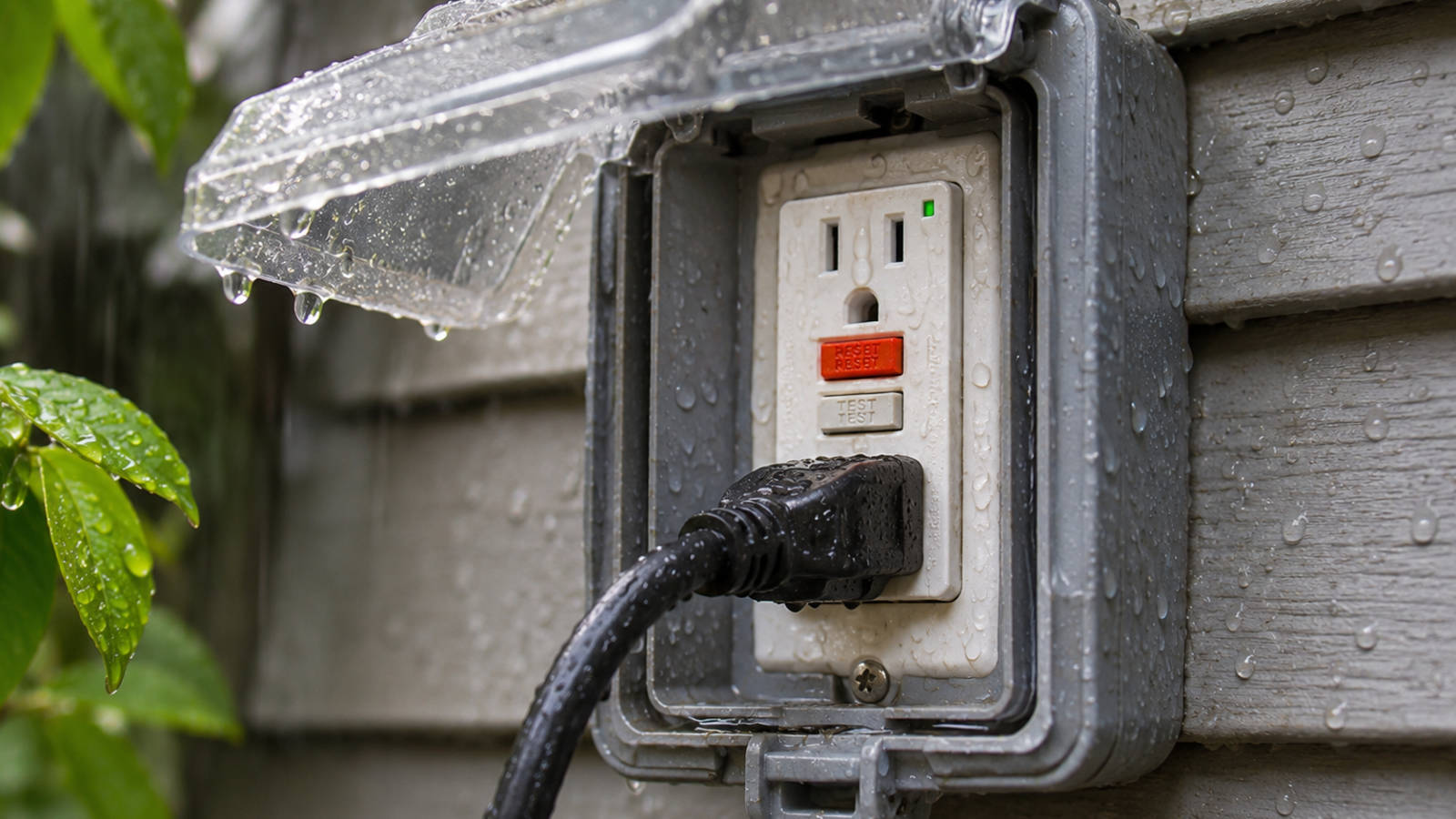
You might have heard of GFCI outlets. They’re the ones with the little TEST and RESET buttons, often found in kitchens, bathrooms, and outdoor areas.
Some homes also have GFCI breakers in the electrical panel.
These devices are designed to detect certain electrical faults and shut off power quickly to reduce the risk of electric shock.
If a GFCI breaker keeps tripping, moisture, damaged wiring, or a faulty appliance could be involved.
Because water and electricity are never a good combination, it’s especially important to have recurring problems in bathrooms, kitchens, basements, or outdoor circuits checked.
5. Your Breaker Might Be Wearing Out
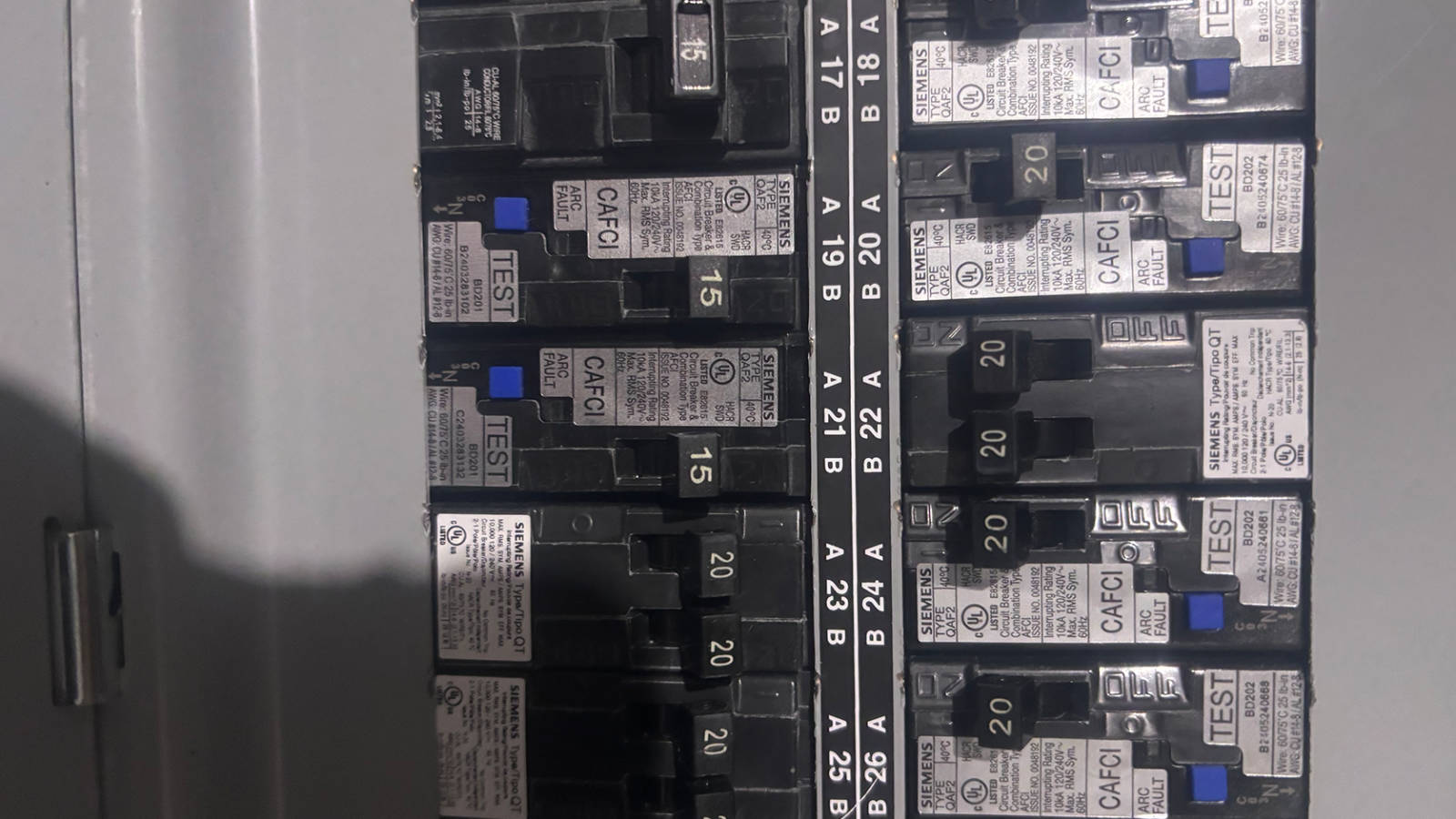
Circuit breakers don’t last forever.
Over time, a breaker can develop problems that affect how it operates. It might trip when there doesn’t appear to be an overload, or it may no longer work as reliably as it should.
This is more likely to be a concern in an older electrical panel, although newer breakers can develop faults too.
If your breaker keeps tripping and there doesn’t seem to be an obvious cause, the breaker itself might need attention.
But here’s the important part: Replacing a breaker isn’t always the answer.
An electrician needs to determine whether the breaker is faulty or whether it’s responding to a problem somewhere else in the circuit.
6. Your Home’s Wiring May Need Attention
Sometimes, the issue is hiding behind the walls.
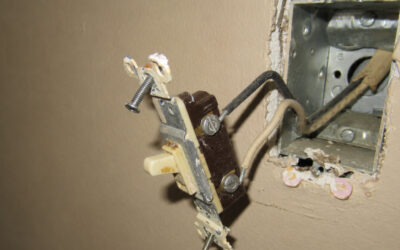
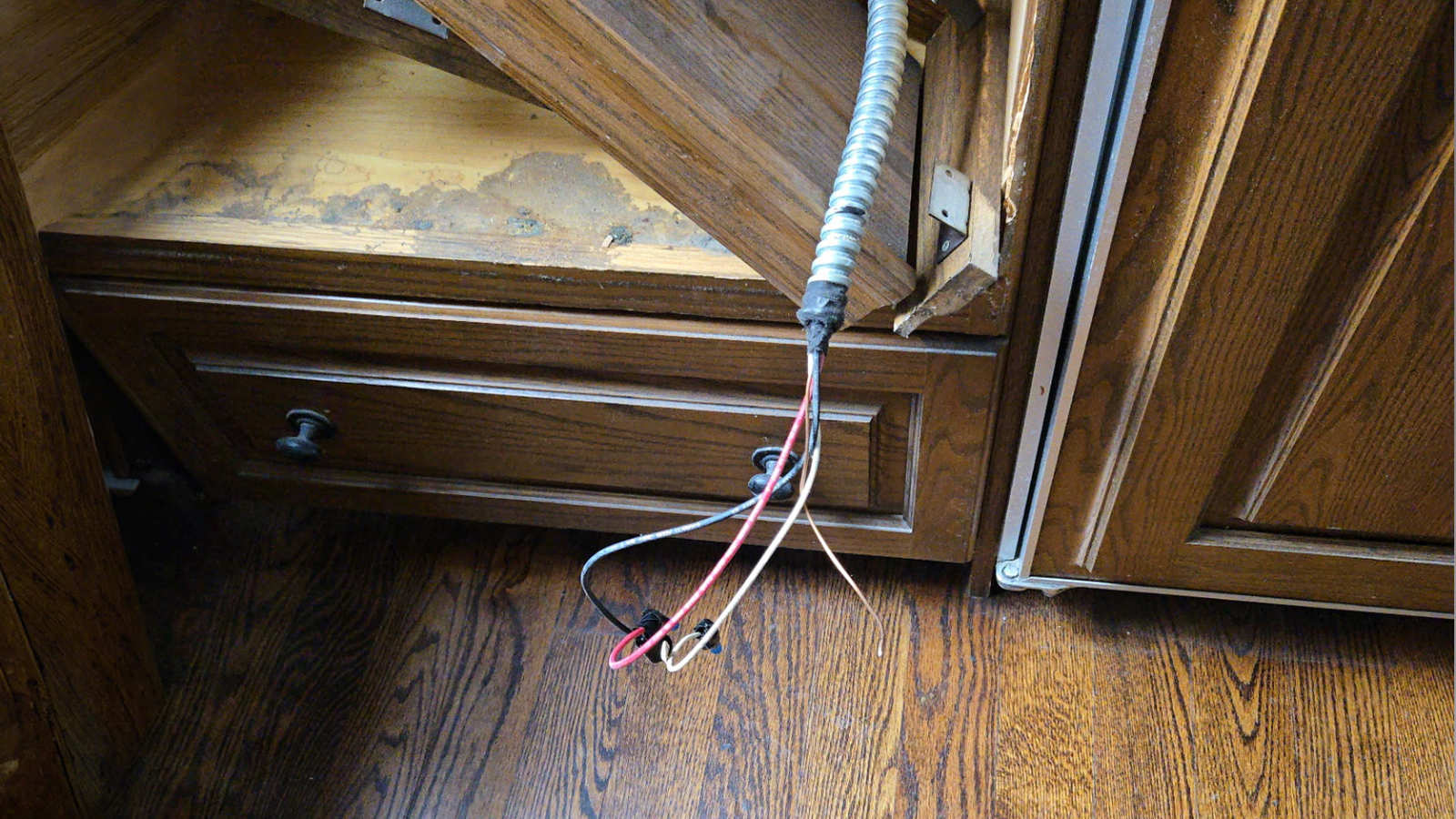
Older wiring, damaged insulation, loose connections, or problems from previous renovations can all contribute to electrical faults.
You might notice flickering lights, outlets that occasionally stop working, or a breaker that trips without any clear pattern.
These problems can be frustrating because there’s not always an obvious connection between what you’re doing and when the power goes out.
A professional electrical inspection can help identify what’s happening and whether repairs are needed.
If you live in an older home, it’s also worth learning about the signs that your electrical panel may need an upgrade. Sometimes, the issue is bigger than a single circuit.
What Can You Safely Check Before Calling an Electrician?
If your breaker trips once, there are a few simple things you can check.
Start by turning off or unplugging appliances on the affected circuit. Think about what was running when the power went out. Was the microwave on? Did someone just plug in a space heater?
If there’s no burning smell, unusual heat, buzzing, visible damage, or sign of moisture, you can try resetting the breaker once after removing the load. Move it fully to OFF, then back to ON.
If it trips again, leave it off.
Never remove the electrical panel cover or attempt to repair wiring yourself. Electrical problems aren’t always visible, and even a circuit that appears to be off can present hazards.
For more information about electrical safety at home, the Electrical Safety Authority has helpful resources for Ontario homeowners.
When Should You Call an Electrician?
If your breaker keeps tripping, especially after you’ve unplugged appliances or reduced the electrical load, it’s time to get some help.
The same goes for breakers that trip immediately, outlets that feel warm, buzzing sounds, flickering lights, or burning smells.
You don’t need to know exactly what’s wrong before making the call. That’s what we’re here to figure out.
Tired of Resetting the Same Breaker?
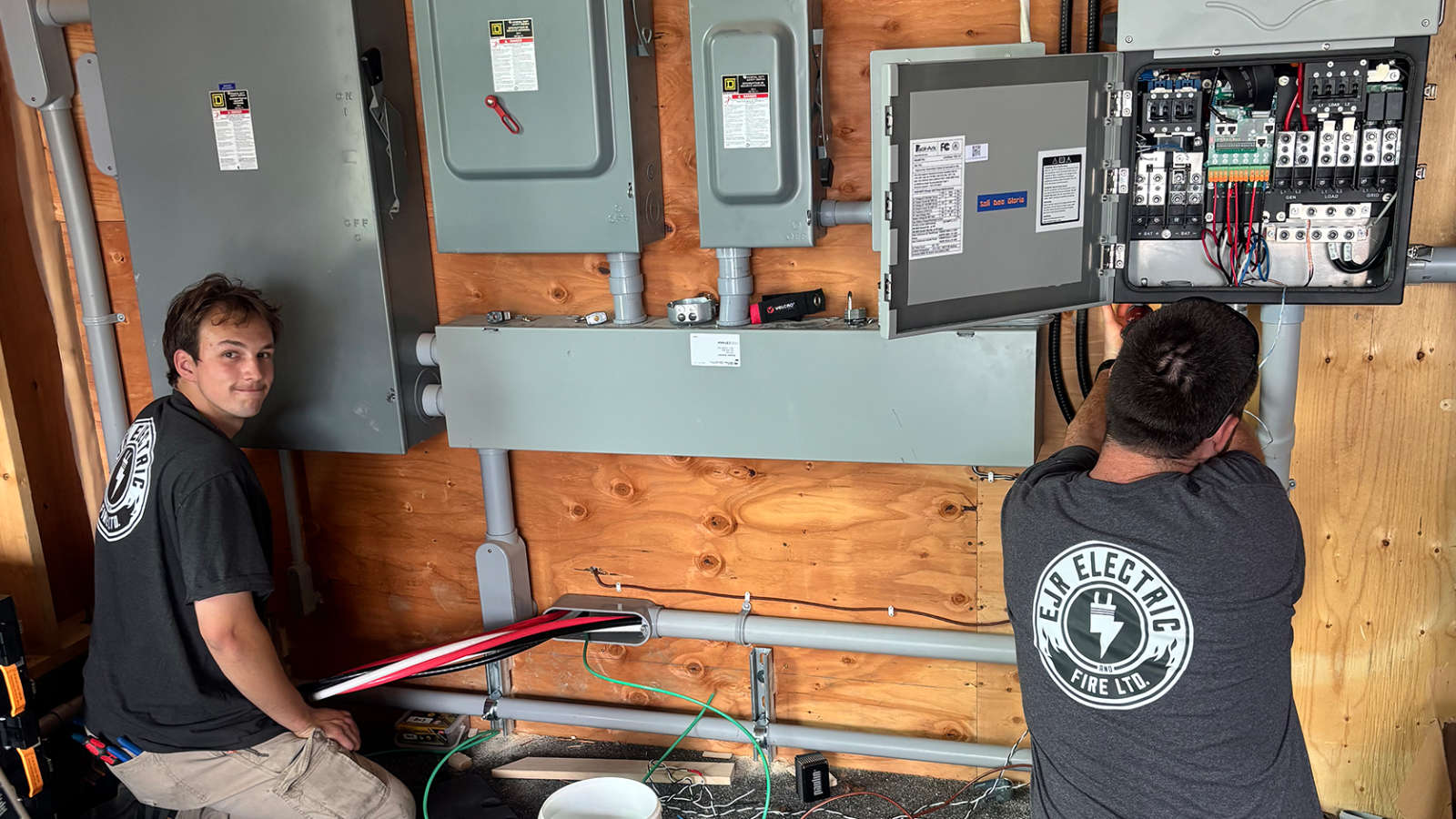
At EJR Electric & Fire, we help homeowners in Orangeville and surrounding communities get to the bottom of frustrating electrical problems.
Whether you’re dealing with an overloaded circuit, a faulty breaker, or wiring that needs attention, we’ll find out what’s happening, explain it in plain English, and help you figure out the best way to fix it.
If you’re tired of making trips to the electrical panel, get in touch with EJR Electric & Fire and let’s get things working the way they should.